A healthy ecosystem for a pond requires proper flow of water, oxygen levels, and a balanced life cycle for aquatic species. If ponds aren’t properly aerated, they are prone to developing problems such as algae growth, foul odors, and stress for fish. Installing an Aerator for Windmill Ponds is one of the best and eco-friendly ways to ensure the quality of your water. These systems harness natural wind energy to deliver oxygen to the water, which helps the ponds stay clean and balanced. They also help maintain the health of the pond.
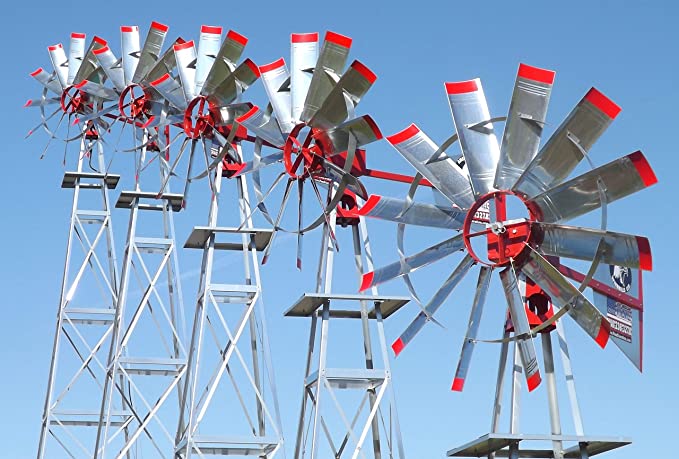
Pond Aeration Windmills which are utilized to ensure continuous oxygenation have been gaining popularity in recent years with management and owners of ponds. They are looking for a sustainable alternative that does not depend on electricity. The aerators make use of wind power to provide constant oxygenation and reduce energy consumption and environmental impact.
Why Aeration Is Essential for Ponds
Water aeration is the process that increases the amount of oxygen in the water. Aeration is important since bacteria and fish are dependent on oxygen for their survival and to keep the natural balance of lakes. Aquatic bodies without oxygen can stagnate, develop harmful gases, or grow excessive algae.
A decrease in oxygen levels can cause ponds to become stratified in depth, with the water being lacking oxygen. This creates unsanitary conditions for aquatic creatures. Aeration helps circulate the water column and bring oxygen to the deeper regions which prevents stratification. This promotes a healthier ecosystem and clearer water.
What is an Windmill Aerator?
A Windmill Aerator operates using the power of wind rather than electricity. The turbine’s blades are spun by the wind. the energy generated by the wind is transferred to a compressor that sends air to the diffuser on the bottom of the. The diffuser releases air bubbles that travel through the water, pumping oxygen and circulating the pond.
This process improves the oxygen levels and enhances the flow of water. When bubbles rise, they mix the layers of water which prevent static zones, as well as spreading oxygen evenly throughout the water pond.
Modern windmill systems are designed to function efficiently, even in areas with little wind. Certain models are fitted with durable components and diffuser stones, which distribute equally across the pond. This boosts the aeration effectiveness.
Windmill Aeration Systems Benefits
1. Energy-Efficient Operation
Windmill Aeration relies solely on renewable wind energy and is one of its biggest benefits. This means there is no need for electricity or the ongoing cost of energy.
2. Environmentally Friendly
Since aerators for windmills run with the wind, they produce no emissions and have minimal environmental impact. This makes them a great alternative for landowners that want sustainable solutions for managing water.
3. Improved Water Quality
Aeration is crucial to avoid stagnation, as well as helping the beneficial bacteria breakdown organic matter. As oxygen levels rise the pond becomes less prone to algae blooms as well as unpleasant smells.
4. Healthier Aquatic Life
For fish and aquatic organisms to survive the need for oxygen is essential. A Windmill Pond Aerator provides the constant supply of oxygen which creates a healthier and more comfortable environment for fish populations as well as aquatic plants.
5. Low Maintenance and Durability
Most Pond Aeration Windmills feature durable materials that are able to be used in outdoor conditions. Once installed, these windmills require minimal maintenance. This means they’re a long-term choice for owners of ponds.
Ideal Applications for Windmill Pond Aerators
Wind-powered aeration systems are commonly used in a variety applications, including:
Water sources for livestock as well as ponds for farms
Fishing ponds that are suitable for recreational use
Ranches and agricultural properties
Wildlife habitats and conservation areas
Ponds available for private residential use
These systems are especially helpful in remote areas where power isn’t available. Because the Windmill Aerator can be placed away from the pond and connected to the pond via air tubing, the installation can be adapted to different kinds of landscapes.
The Right Windmill Aeration System
Pond owners must consider the following factors when choosing a wind powered aeration unit.
Pond Size: Bigger swimming pools may require additional compressors or diffusers that have higher power.
Depth: The diffusers must be positioned at the right depth to maximise oxygen distribution.
Wind Exposure – Installing the windmill in an open field will allow it to capture a greater quantity of wind energy.
For durability, choose systems made from high-quality materials made to stand up to the elements for a long duration.
Making the right choice of Windmill Pond Aerator ensures that the system operates efficiently and offers adequate aeration to your pond’s needs.
Pond Aeration in the Future
Wind-powered aeration has become increasingly sought-after by those seeking sustainable ways to manage their resources. Windmill Aeration Systems combine renewable energy with proven technology for aeration to provide an eco-friendly option for pond management.
If you have a small backyard pond or have a huge rural property, installing a Windmill Aerator can significantly improve the quality of your water and the overall health of the ecosystem. With minimal operating cost and long-term advantages Pond Aeration Windmills can be the ideal investment for those seeking cleaner water, healthier fish, and a healthier water pond ecosystem.