When it comes to maximizing efficiency and performance of engines, fuel quality plays a vital role. Diesel fuel can become contaminated in time by sediment, water and microbes. This could negatively impact the performance of engines and result in costly repairs. Polishing of fuel is an option to avoid fuel contamination and maintain the smooth operation of engines.
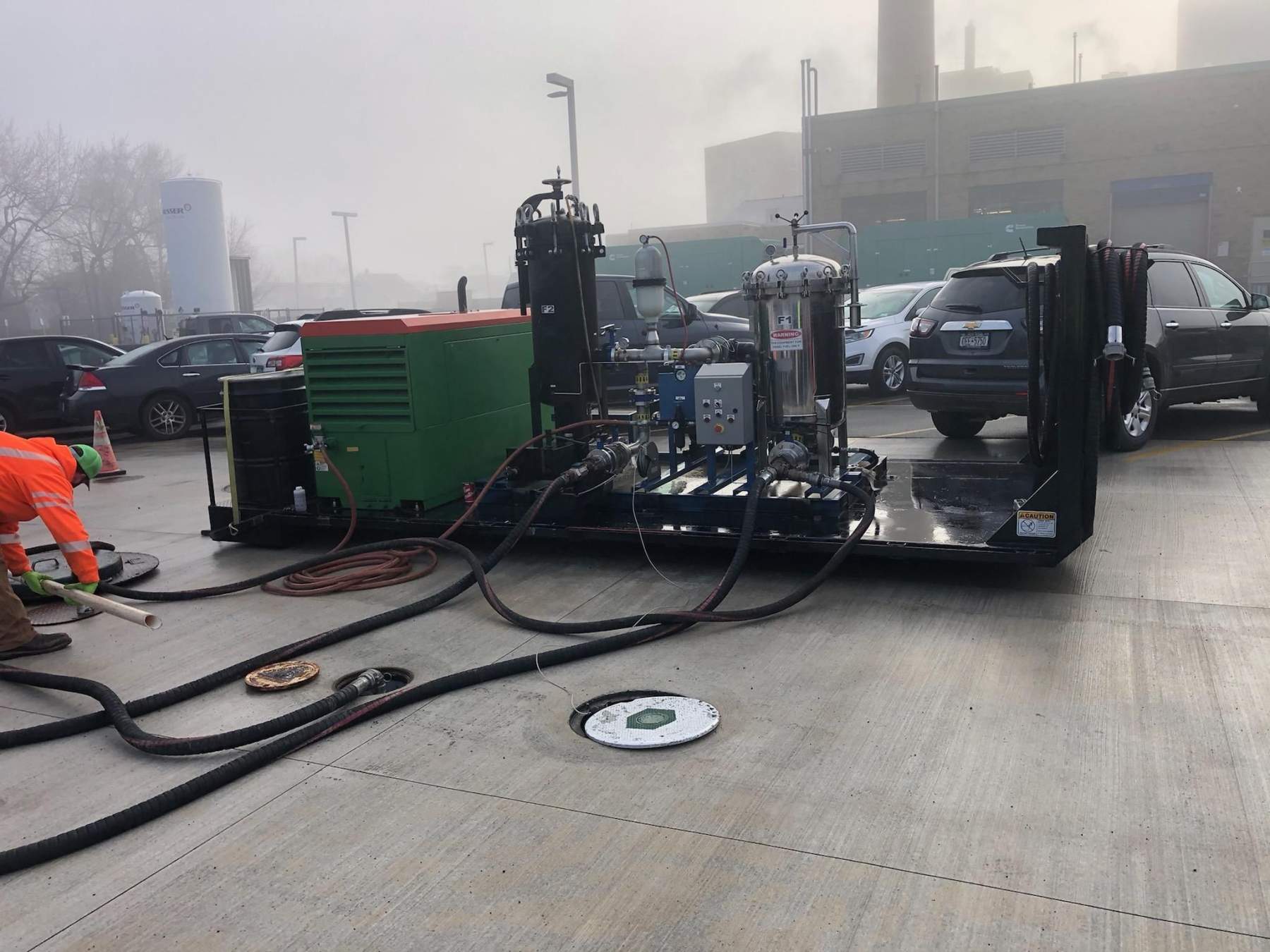
Fuel polishing (also known as diesel polishing) is the process of removing the toxins from diesel fuel. It is a service that is provided by experts who use modern techniques and equipment to make sure that the fuel is returned to its original state. By removing harmful substances and restoring fuel quality, fuel polishing enhances engine efficiency, reduces maintenance costs, and extends the lifespan of equipment.
There are numerous polishing solutions that are available to fulfill the requirements of various industries that use diesel fuel. These companies employ highly-trained technicians who possess expertise in fuel systems and understand the complexity of contamination in fuel. Through their deep knowledge and sophisticated equipment they are able to identify issues with fuel and employ the proper techniques to polish fuel.
The main goal of polishing the fuel is to remove water, sediment, sludge, and microbial contaminants from diesel fuel. The accumulation of water within fuel tanks can be caused by condensation or leaks, which causes corrosion, fuel degrading and the growth and spread of bacteria and mold. Sediment, on the contrary is a result of the presence of impurities or degraded components of the fuel. These pollutants can block filters and injectors, which can lead to a decrease in engine performance.
Diesel polishing typically involves a multi-step process. The process begins by conducting a fuel analysis and sample to determine contamination levels and the most effective method of action. Following the analysis, experts use filtering systems to remove impurities and contaminants from the fuel. They employ a variety of filters and technologies to remove and separate contaminants, leaving behind clean diesel.
Regular fuel polishing offers several key benefits. It improves the fuel quality and ensures that engines get consistently clean fuel to allow for optimal combustion. This is, in turn, increases efficiency and fuel efficiency, leading to cost savings and reduced emissions. The second benefit of polishing fuel is that it can reduce the risk of engine failure and damage because of the contamination of the fuel. Removal of harmful substances assists in maintaining engine integrity, extending their life and reducing repair costs.
Diesel polishing is a frequent procedure that provides many benefits to maintain fuel quality. It helps eliminate water, sediment and microbial contaminants which can affect engine performance. In removing these impurities via the process of polishing diesel the fuel’s quality is greatly enhanced. This improved efficiency in combustion results in increased fuel efficiency and less emissions. Second, regular diesel polishing keeps fuel filters from getting blocked and injectors as well as other essential components, thus reducing the possibility of engine damage and costly repairs. In addition, by reducing the accumulation of sludge and corrosion, regular fuel polishing ensures the durability of storage systems. Regular diesel polishing or fuel cleaning can improve engine performance and decrease cost. Additionally, it improves the reliability of the equipment.
The process of polishing fuel can be tailored to meet the demands of various industries and uses. The process of polishing fuel is a versatile solution that can be used to fight fuel contamination in many industries. From ships and backup generators to construction equipment transportation fleets, and construction equipment fuel-polishing provides a variety of options to fight fuel contamination. Fuel polishing is essential in industries that require an constant and reliable power supply. It’s also crucial for those working in remote areas or harsh environments, where fuel quality can be compromised.
Polishing of fuel is an essential process for ensuring the cleanliness and high-quality diesel fuel. The elimination of contaminants and impurities boosts the efficiency of engines and reduces maintenance cost. Professionally polished fuel allows businesses to shield their operations, enhance performance, and minimize the risks associated fuel contamination. If you’re managing several vehicles or operating critical power systems take a look at the benefits of polishing your fuel in order to realize the full potential of your diesel fuel and drive your business ahead.